How It All Started: Classic Machine Vision Systems
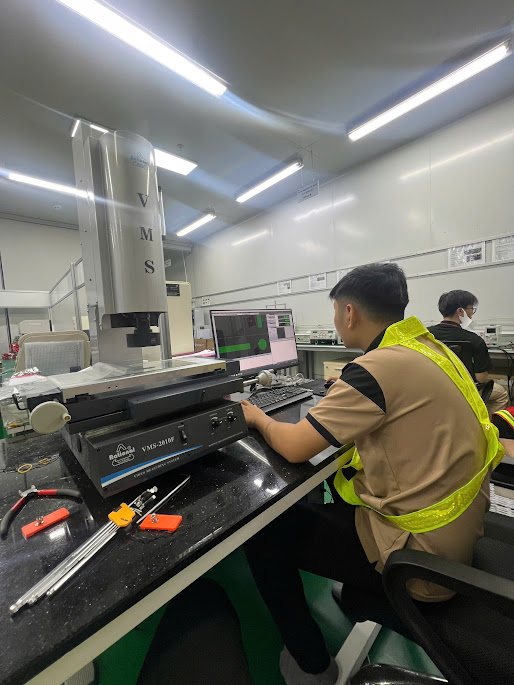
Machines could ‘see’ before AI and machine learning. In the early 1970s, computers began using specific algorithms to process images and recognize basic features. This classic machine vision technology can detect object edges for positioning a part, find color differences that indicate a defect, and discern blobs of connected pixels that indicate a hole.
Classic machine vision involves relatively simple operations that don’t require artificial intelligence. Text has to be simple and sharp, like a bar code. Shapes have to be predictable and fit an exact pattern. A classic machine vision system can’t read handwriting, decipher a wrinkled label, or tell an apple from an orange.
Nevertheless, classic machine vision has had a huge impact on manufacturing. Machines don’t get tired, so they can spot defects faster and more reliably than human eyes. Plus, machines aren’t bound by the limits of human vision. Specialized machine vision cameras can use thermal imaging to detect heat anomalies and X-rays to spot microscopic flaws and metal fatigue.
The Rise of Artificial Intelligence: Deep Learning Inference and Industrial Machine Vision
Increasingly powerful
edge computing – embedded and IoT devices at the network edge and beyond – plus a growing universe of deep learning models for artificial intelligence (AI) are radically expanding what machine vision can do. This rapid growth in capabilities is leading the transformation to smart factories and Industry 4.0.
AI augments classic computer vision algorithms with models called neural networks. When a computer receives an image, or a video stream of images, machine vision software compares that image data with a neural network model. This process, called deep learning inference, allows computers to recognize very subtle differences like minuscule pattern mismatches in fabric and microscopic flaws in circuit boards.
To improve accuracy and speed, data scientists create specific neural network models for specific applications. During this process, called supervised training, a computer reviews tens of thousands of samples and identifies meaningful patterns, including patterns a human might not detect.
There are models for detecting dead and off-color pixels in displays, seeing voids in welds, and pinpointing pulled threads in fabric. Of course, more models are constantly being developed and refined.
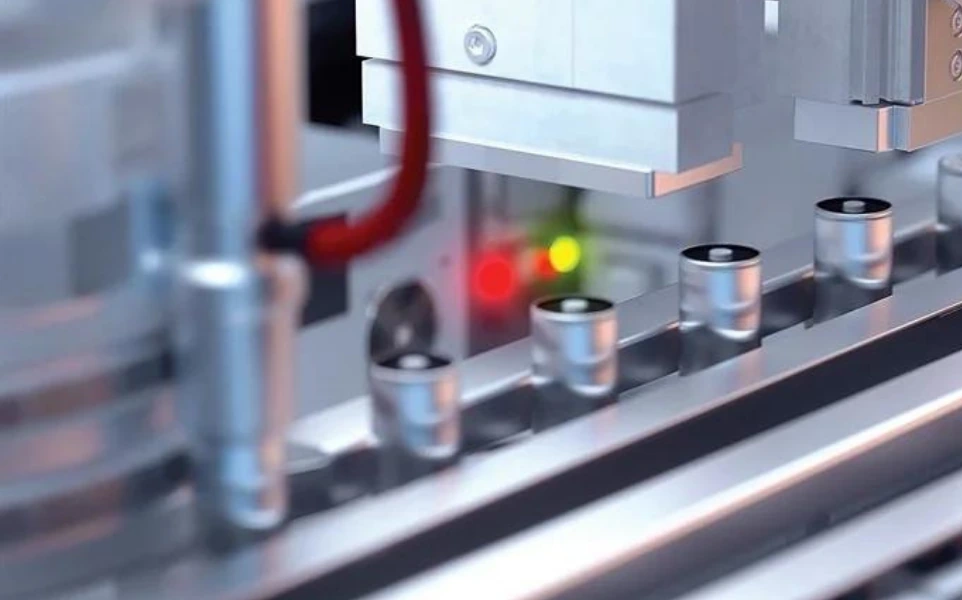
In tightly regulated industries like pharmaceuticals, machine vision provides constant checks on product contents, packaging, and labeling for quality assurance. When applied to supply chains, machine vision can automatically scan and track items at each point of the workflow, providing an accurate, moment-in-time account of your inventory.
Benefits of Machine Vision in Operations
Improvements to worker health and safety is a critical benefit of applying machine vision to operations. AI-powered computer vision can ensure workers are maintaining social distance and wearing proper safety equipment. Robots and equipment with machine vision can interpret human actions and interact, helping prevent accidents before they happen. If a situation is unsafe, they can warn the operator or shut equipment down automatically, reducing risk for your employees and your company.
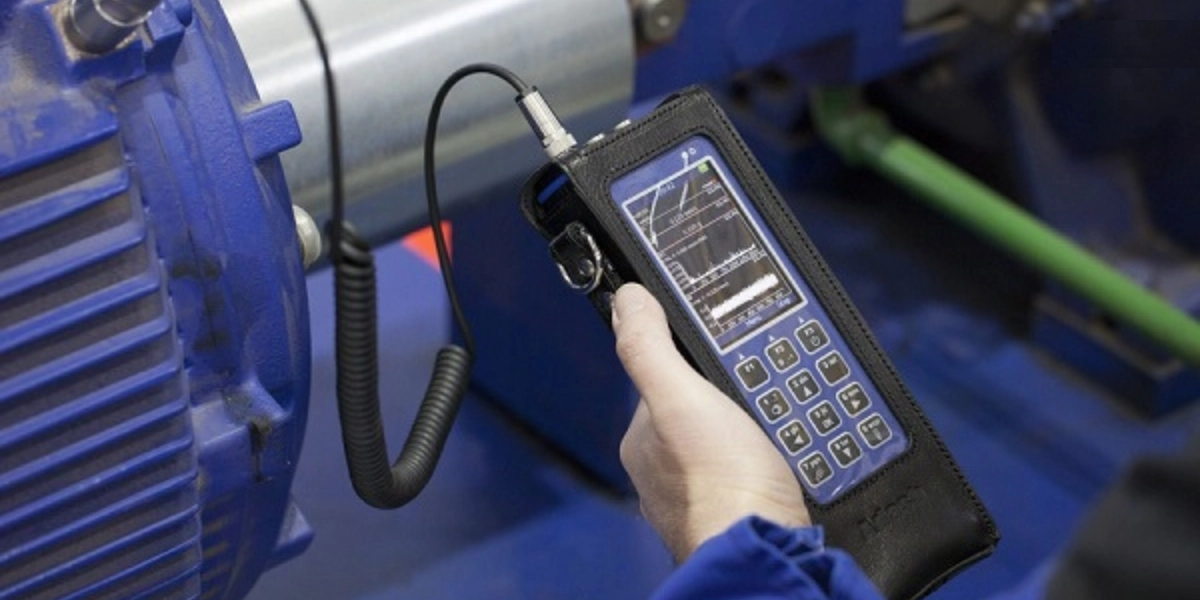
Additionally, by continuously analyzing data from cameras, microphones, and sensors embedded in industrial equipment and machines, industrial PCs can use AI to detect faults and signs of wear before failure so preventive repairs can be planned in advance, eliminating unexpected downtime and spreading maintenance costs over time.
In the areas of asset management and security, AI can detect and track objects in video feeds to ensure proper use and storage, alerting management if assets leave a predefined boundary. Security camera systems can become active security partners capable of controlling building access and identifying dangerous scenarios.
Smart Machine Vision and Autonomous Systems
Artificial intelligence is expanding machine vision far beyond visual inspection and quality control. With smart machine vision, robots can perceive in three dimensions, hold parts for one another, and check each other’s work. They can even interact with human coworkers and make sure they work together safely.
Machines with smart vision can use natural language processing to read labels and interpret signs. Robots with smart vision can understand shapes, calculate volumes, and pack boxes, trucks, and even shipping containers perfectly with minimal wasted space.
This shift from machines that can automate simple tasks to autonomous machines that can see beyond what the human eye can see and think on their own to optimize elements for longer periods will drive new levels of industrial innovation.
It may sound like science fiction, but smart machine vision is on the job in factories, warehouses, and shipping centers today, aiding and assisting human workers by handling the mundane tasks so workers can use their expertise to focus on the most important parts.
Benefits of Machine Vision in Smart Manufacturing
Industrial machine vision is the backbone of smart manufacturing, logistics, and operations. Machine vision cameras, embedded IoT sensors, and industrial PCs can bring intelligence, analysis, and efficiency to every step of the manufacturing process.
Machine vision applied to manufacturing can improve product quality and overall system efficiency, increasing the throughput of your manufacturing line, reducing labor costs, and freeing up your staff to focus on higher-value work.
For Audi, working with Intel and Nebbiolo Technologies, integrating predictive analytics and machine learning algorithms into
weld inspection and critical quality-control processes resulted in an increase in the number of welds analyzed per day, reduced labor costs in their factories, and allowed Audi to shift to more proactive monitoring, avoiding problems rather than merely reacting to them.
“At the Neckarsulm factory, we are already seeing a 30%–50% reduction in labor costs” states Michael Häffner, Head of Production Planning, Automation and Digitization, Audi.
For more information:
www.intel.com

 Tiếng Việt
 Tiếng Anh
 Tiếng Hàn
 Tiếng Trung