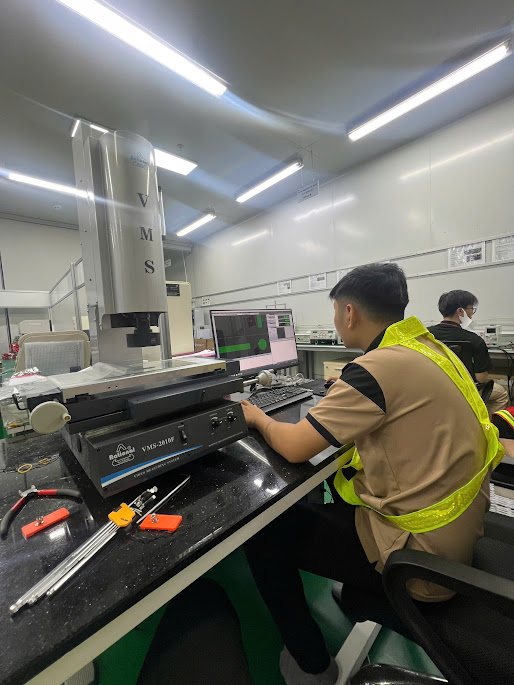
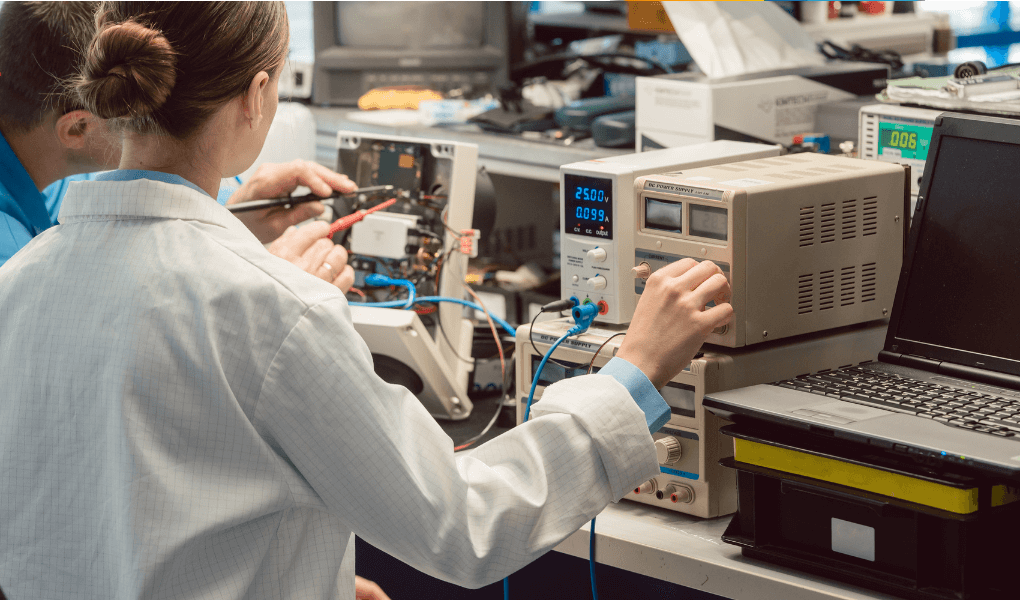
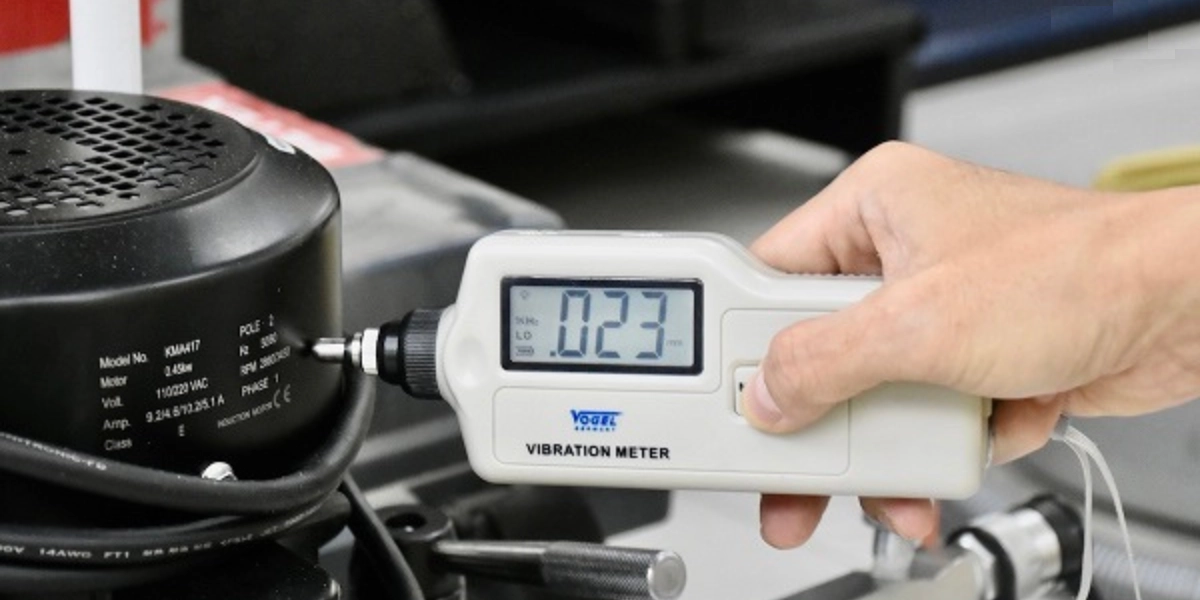
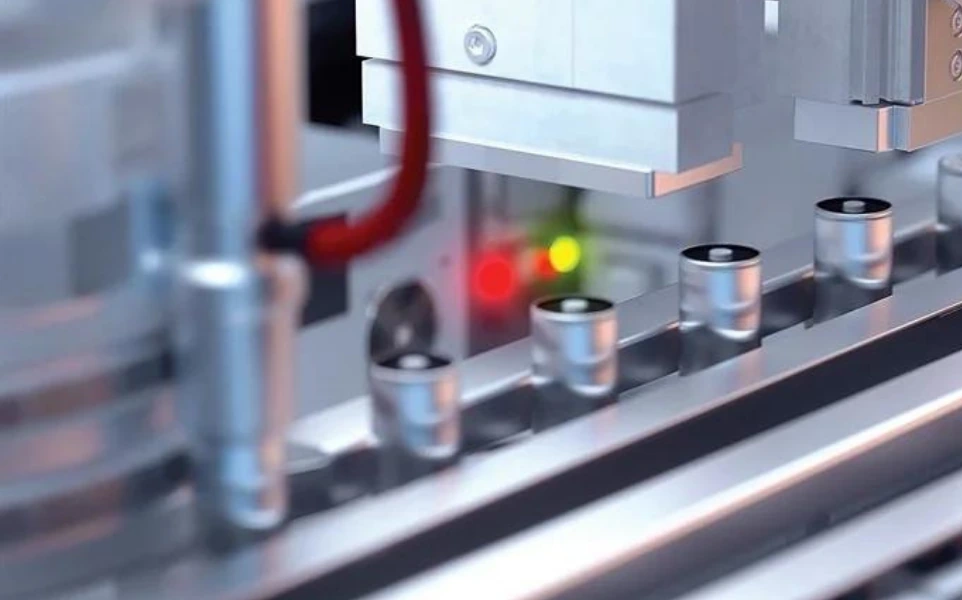
Of the billions of products manufactured and inspected each day, few could be made without some level of industrial automation. Modern manufacturing demands high quality control standards. Manual inspection is slow, prone to error, and impeded by product size, space constraints, lighting conditions, and fast production line speeds. Automated inspection, by contrast, maximizes throughput, increases quality, and lowers manufacturing costs. Most manufacturers use automated machinery like vision sensors or vision systems because they are well-suited for repetitive inspection tasks. Sensors and vision systems are faster, more objective, and work continuously. They can inspect hundreds, or even thousands, of parts per minute, providing more consistent and reliable inspection results.
Selecting a Machine Vision Solution
Vision sensors and vision systems have many common applications in factory automation. Selecting the right machine vision solution generally depends on the application’s requirements, including development environment, capability, architecture, and cost. In some cases, vision sensors and machine vision systems may both be able to satisfy an operation’s needs. Different models are designed to meet varying price and performance requirements. Vision sensors are similar to machine vision systems in their powerful vision algorithms, self-contained and industrial-grade hardware, and high-speed image acquisition and processing. They are both designed to perform highly-detailed tasks on high-speed production lines. And while all perform inspections, they are engineered for different tasks.
While machine vision systems perform guidance and alignment, optical character recognition, code reading, and gauging and metrology, vision sensors are purpose-built to determine the presence/absence of parts and generate simple pass/fail results. Vision sensors are also distinguished by their relative ease-of-use and quick deployment. Vision sensors lack the most sophisticated vision tools available on standalone machine vision systems but can perform a great number of vision tasks in factory automation and logistics environments. Vision sensors are also more affordable than machine vision systems and require less expertise to run.
Vision Sensor Advantages
For certain classes of vision applications, visions sensors are an ideal fit. These include simple pass/fail inspections that help ensure products and packaging are error-free and meet strict quality standards. By using vision sensors at key process points, defects can be caught earlier in the manufacturing process and equipment problems can be identified more quickly. With vision sensors, data output is typically binary, delivered as a “yes/no,” “present/absent,” or “pass/fail” result. Unlike other types of sensors, such as photoelectric, vision sensors can inspect multiple elements per target, differentiate between colors, and respond well to misalignment and planned variability. But while vision sensors can provide information beyond whether a part is simply present or absent, and in some cases provide simple measurement outputs, they are not designed for precision and accuracy.
Vision sensors generally require no programming, and provide easy guided set-up through user-friendly vision software interfaces. Most are easily integrated into larger systems to provide single- and multiple-point inspections with dedicated processing. Most offer built-in Ethernet communications, which enable users to exchange data with other systems to communicate results and trigger subsequent stages of an inspection. A network of vision sensors can be easily linked to plant and enterprise networks, allowing any workstation in the factory to view results, images, and data for process control. Depending on the specific system or application, vision software configures camera parameters, makes the pass/fail decision, communicates with the factory floor, and supports HMI development.
For many error-proofing applications, vision sensors are the most affordable and easy-to-use machine vision solution. Vision sensors are an ideal solution for presence/absence inspections that require quick pass/fail decision-making about a part’s position, quality, and completeness. Vision sensors can detect specific parts within a wide region of interest and can do so dynamically as parts move along the line, detecting their targets by pattern, feature, and color. Perhaps most critically, vision sensors can communicate with upstream and downstream equipment for closed-loop inspection.
For more information:
www.cognex.com
 Tiếng Việt
 Tiếng Anh
 Tiếng Hàn
 Tiếng Trung