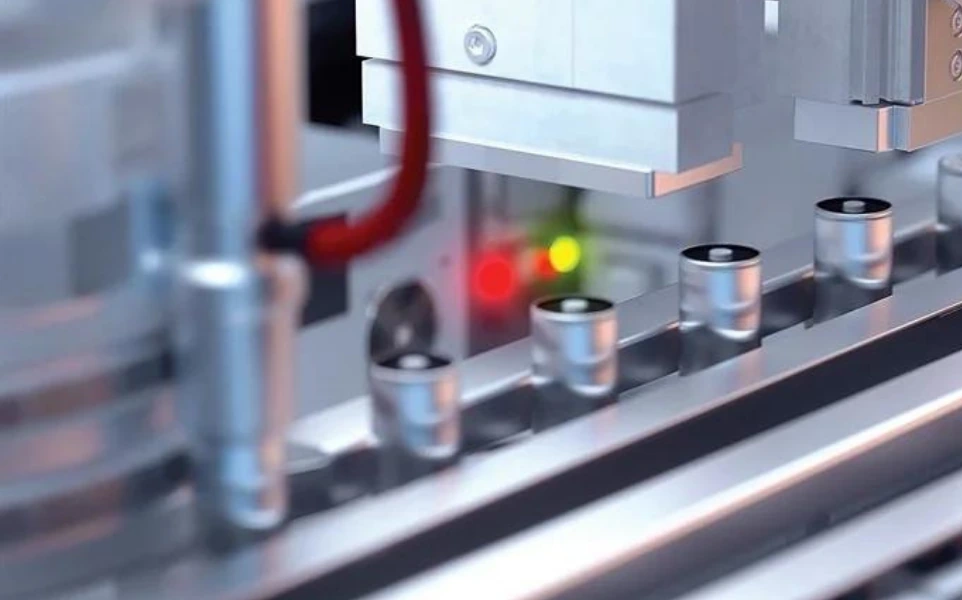
OMRON Corporation has announced the release of its new FH Series Vision System with the industry’s first defect detection AI technology that identifies defects without learning samples. This AI technology, which reproduces human sensibility and the techniques of skilled inspectors, reliably detects defects that were once difficult to capture, automating human vision-based visual inspection.
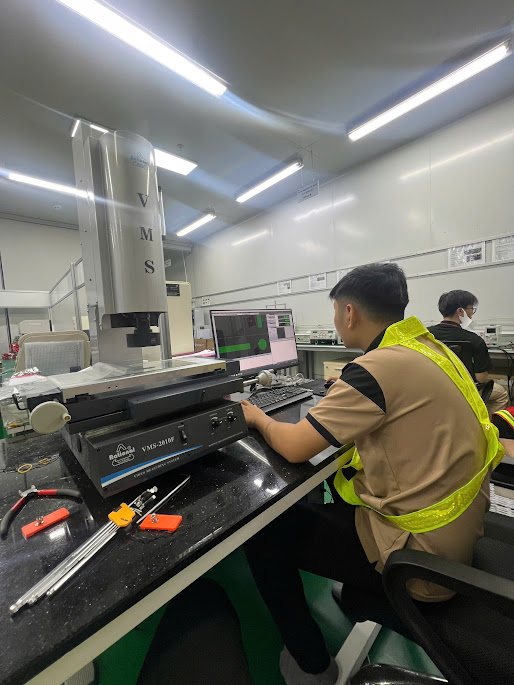
The company states – skilled inspectors are hard to come by these days, and labor costs have risen sharply. Manufacturers are now facing intense pressure to automate processes that rely on the senses of experienced human workers. Particularly when it comes to visual inspection, it’s important to reliably identify subtle defects even on flexible lines producing a wide range of items. Traditionally, the sensitivity and knowledge of technicians with long-term experience have been key. However, nowadays people often need to avoid working in the same space on the manufacturing sites in order to protect them from the current COVID-19 pandemic, which leads to growing demand for labor-saving automated visual inspection.
Artificial intelligence is now reaching the stage where it can recognize object features as well as humans and automatically learn criteria. While a lot of AI solutions face challenges with large amounts of image data, specialized hardware and engineering expertise, OMRON is making great progress in enabling its widespread use.
To solve these challenges, OMRON developed the industry’s first defect detection AI that reproduces the techniques of skilled inspectors. This AI is now part of the FH Series Vision System. Over 30 years of OMRON’s knowledge of image processing and visual inspection have been built into this new product to maximize the inspection capability using AI without learning huge amounts of data. AI has traditionally required a special environment, but OMRON’s lightweight solution has been integrated into a system component. No dedicated AI engineer is required for setup and adjustment at manufacturing sites.
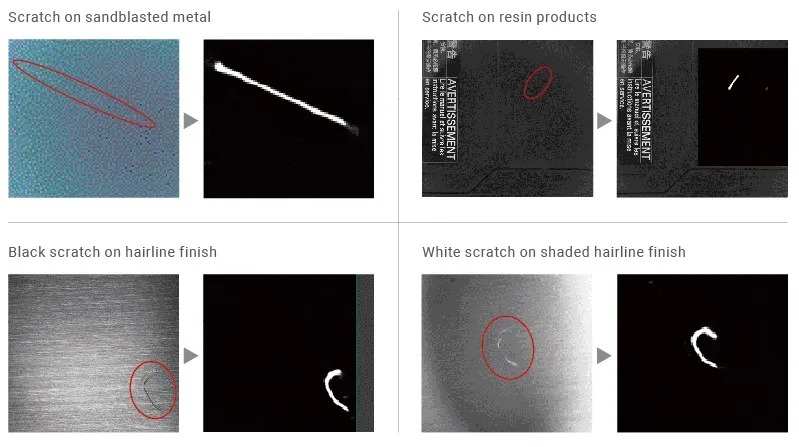 AI Captures Defects With Human-Like Sensitivity
A new AI-based image filter reproduces the technique that skilled inspectors use to identify a defect on any product background. Scratches and blemishes that were once difficult to capture can now be identified even without the use of samples or adjustment.
Identifies Good Products like Experienced Inspectors
The FH Series can determine acceptable variation tolerances. An AI Fine Matching tool learns from the image data of non-defective products to quickly acquire the ‘expertise’ that inspectors develop over the course of many years. This reduces costs and boosts productivity through automation. AI also reduces overdetection of defects. AI has traditionally required a high-end environment, but OMRON’s lightweight solution comes in the form of user-friendly integrated processing items.
OMRON is committed to bringing innovation to manufacturing sites by materializing its unique concept called ‘innovative-automation’ to solve manufacturing issues. As OMRON strives to “get close to, and then go beyond, the human eye”, it continues to further accumulate data and conduct research and development of the latest AI technology to achieve an AI vision system which is both closer to human sensitivity and which can be easily used. Where does this lead? By expanding the scope of what can be automated in visual inspection, OMRON frees people from simple and monotonous work so they can become more engaged in the creative work that truly advances innovation in manufacturing.
OMRON’s ‘innovative-automation’ consisting of three innovations or “i’s”: “integrated” (control evolution), “intelligent” (development of intelligence by ICT), and “interactive” (new harmonization between people and machines) and is committed to bringing innovation to manufacturing sites by materializing this concept.
For more information:
www.omron.com

 Tiếng Việt
 Tiếng Anh
 Tiếng Hàn
 Tiếng Trung