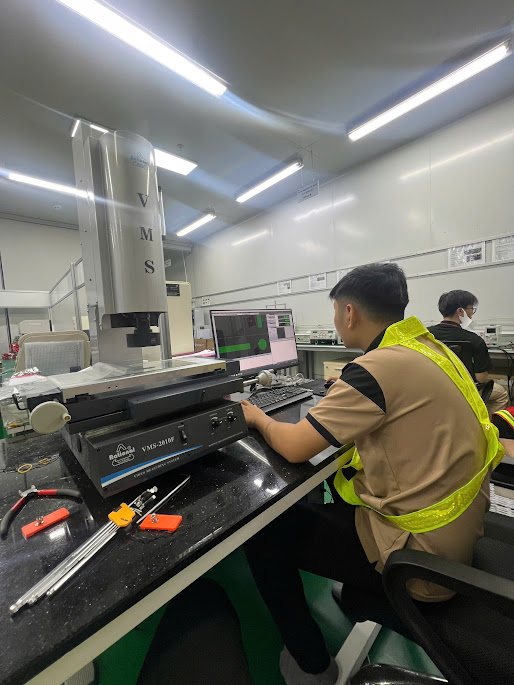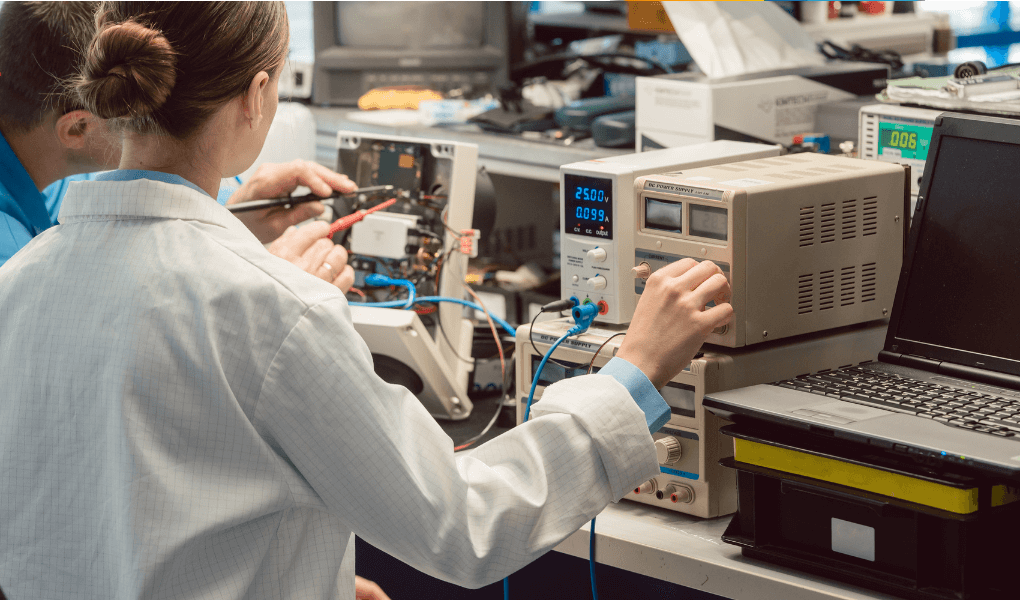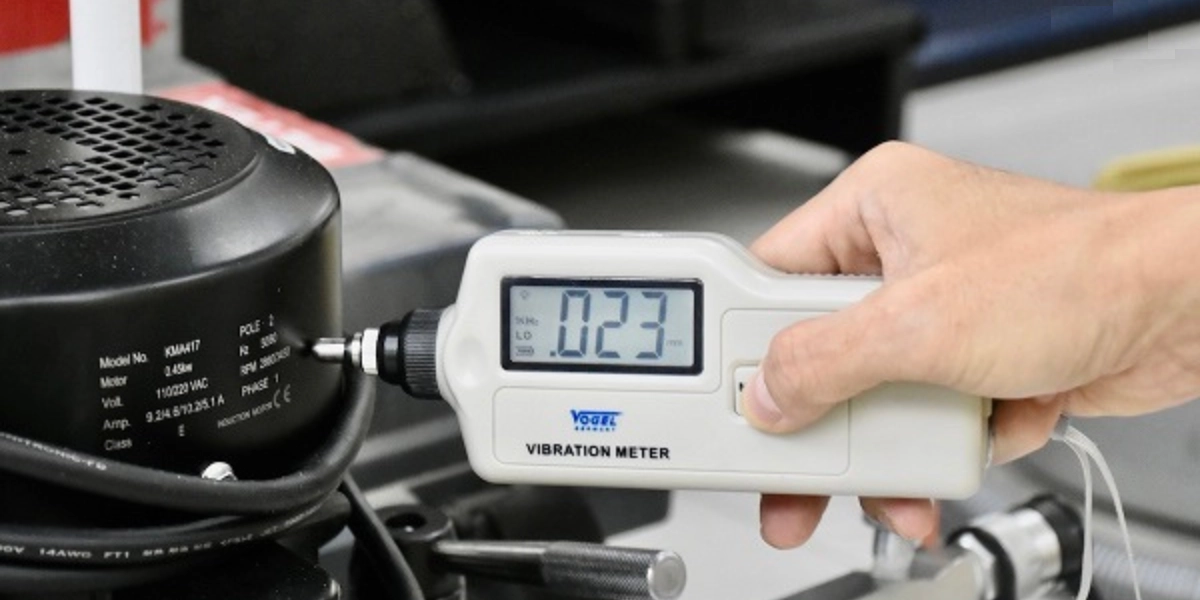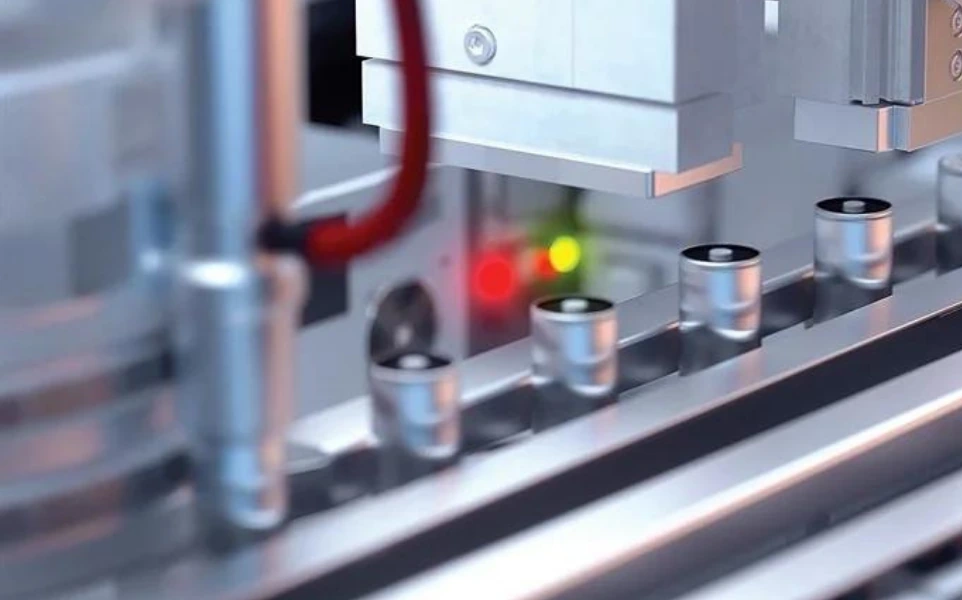
In a recent interview article conducted by organizers of the CONTROL exhibition with Holger Wirth, vice president of product management for smart factory automation at ISRA VISION GmbH, he informs that machine vision is very well established, and that it would be hard to imagine industrial production without it.
Q: Mr. Wirth, how are things progressing in the machine vision industry?
A: Current developments are basically positive. RFQs are coming in from the customers. However, material shortages are turning availability into a difficult issue. Furthermore, profit margins are seriously threatened because material costs are rising enormously and can’t be passed on to the customer one-to-one.
Q: Which issues have priority at the moment for companies involved in machine vision?
A: The sector is suffering heavily from the issue of material shortages. Electronic components have extremely long lead-times – in some cases more than a year for camera chips. This is resulting in a great deal of additional work in procurement, and also in R&D because some products have to be redesigned.
Q: Industrial quality assurance (QA) is considered a decisive step in product manufacturing – especially in the form of automated, inline inspections during production. Within this context, how important is machine vision in the meantime?
A: Machine vision is very well established and it would be hard to imagine industrial production without it. Modern AI methods are now making it even easier for customers to integrate systems, in particular in order to replace manually conducted visual inspections.
Q: What’s driving the growth of machine vision in industrial settings?
A: Embedded systems, AI-based systems and robotics applications.
Q: Which new technologies support modern machine vision?
A: In addition to traditionally used CPUs, more and more hardware is available which supports neural networks in an ideal manner, for example GPUs or vision processing units which are very processor-intensive, but nevertheless efficient. This results in new configuration options with regard to edge computing.
Q: Are there any barriers or specific challenges which are impeding the development of machine vision?
A: Finding the right lighting configuration is still an important task for which a specialist is required. This is the greatest challenge for end users.
Q: QA and machine vision are synonymous with safety, quality, reliability and zero-defects production. How far can perfection be pushed in a real manufacturing environment?
A: In the meantime, reliability rates of 99.9% have already become reality. Beyond this, the systems are extremely rugged and as a rule they require little maintenance beyond external cleaning.
Q: The 34th Control international trade fair for quality assurance will take place from 3 to 6 May 2022, where the issue of machine vision will play a significant role. In your opinion, how important is it for industry players to finally meet again live and in person, and to engage in conversation with each other directly in the presence of the actual object under discussion?
A: Last year’s VISION trade fair demonstrated that it’s very important for expert visitors to seek personal contact with manufacturers again. There’s no doubt that digital communication was initially able to bridge the communication gap caused by the pandemic, but personal discussion and actually handling a system or component are simply more intuitive. People also like to saunter around at a trade fair and enjoy being surprised by exhibitors and innovations. This is a feeling that simply can’t be replicated by a digital trade fair.

 Tiếng Việt
 Tiếng Anh
 Tiếng Hàn
 Tiếng Trung